Redecorating between tenancies: working to a re-let date
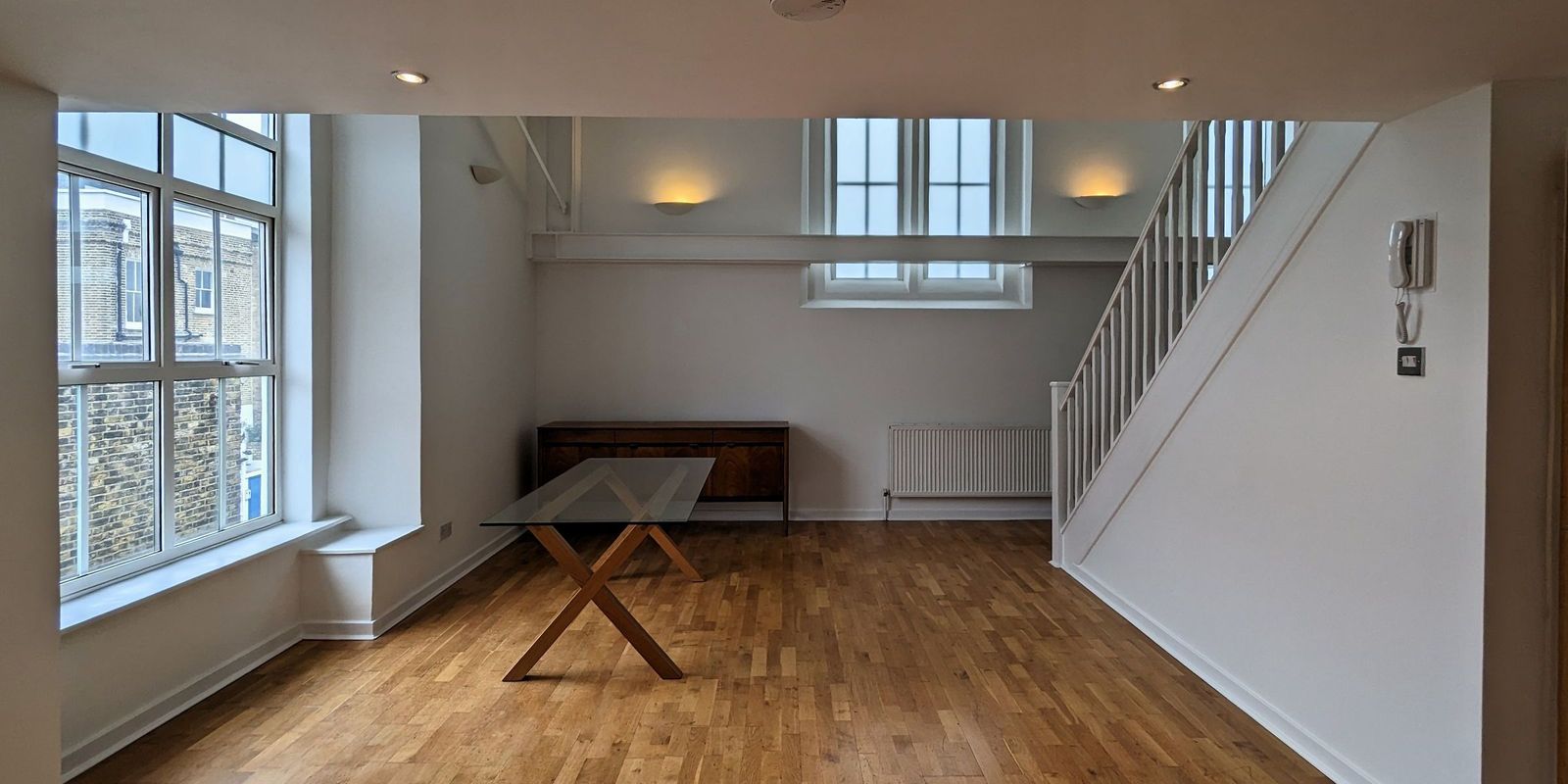
A void is a deadline, not a job. For managing agents it is a date on a spreadsheet. The agent has a re-let date, the landlord has an empty month and the decorator is one of four or five trades that all want the same week. This is a flat we turned round in Stoke Newington, and what we have learned about doing it without the date slipping.
What does a void actually cost?
For landlords and managing agents, a void represents an empty month of lost rental income, plus administrative hours spent managing deposit disagreements. Tenancy Deposit Scheme adjudication data indicates that cleaning features in 54 per cent of tenancy disputes and property damage in 49 per cent. Redecoration is contested in 31 per cent of cases. Nearly a third of all formal deposit disputes involve decorative condition.
Why does redecoration end up in a dispute at all?
Because fair wear and tear requires subjective assessment, leading landlords and outgoing tenants to view the same walls differently. An outgoing tenant views four years of ordinary living, while a landlord sees tired surfaces requiring capital outlay before remarketing. Disagreements rarely centre on paint costs. They centre on apportioning liability for elapsed time.
While a contractor cannot arbitrate deposit liability, maintaining an accurate condition record and routine property maintenance between tenancies minimise ambiguity.
What should an agent actually specify?
To avoid delays and variation claims, four elements should be defined before quoting:
- The rooms in scope, by name, rather than specifying general refurbishment throughout.
- Whether ceilings and woodwork are included in the decorative schedule.
- Colour specification, noting whether existing colours are to be matched or converted to neutral palettes.
- The target completion date, scheduled at least 24 to 48 hours before new tenancy check-in.
How does it sequence against the other trades?
Sequencing trades correctly is what protects the re-let deadline. Finishing trades must always follow wet and dusty operations:
- Complete structural, electrical and plumbing alterations first.
- Undertake ceiling and wall preparation, followed by complete decorative coating.
- Lay carpets and resilient flooring after decorating finishes have fully cured.
- Schedule the end of tenancy deep clean last, after all contractor traffic has ended.
The common operational mistake is booking cleaners first because they are easy to schedule, only to require a second clean after decorators and carpet fitters finish. On this Stoke Newington flat, our package included full redecoration, new carpets, a deep clean and bathroom re-grouting, delivered under a single point of responsibility.
What is different about an unusual building?
This flat is situated in a converted church, featuring double height volumes, arched window heads and an open mezzanine gallery. Surface square metres do not represent the true work. The labor sits in precise cutting in around every arch reveal, vault junction, balustrade and gallery perimeter. Standard floor area pricing underestimates the access and craftsmanship demanded by historic conversions.
Pricing and commercial scope
We price cutting in, surface preparation and high-level access separately from broad wall areas. For landlords and managing agents facing strict move-in schedules, our painting and decorating team commits to realistic turnaround programmes backed by experienced trade sequencing.
Summary
A successful void redecoration requires a defined completion date, explicit room schedules, correct trade sequencing and realistic pricing that accounts for detail work. Redecoration features in nearly a third of all deposit adjudications, making clear upfront specifications essential.
Getting a void priced
Send us the floor plan, the check-out inventory report and the target re-let date. We provide a fully broken-down quotation and confirm achievable programme timings.
Sources
- NRLA, *What 2025 taught us about deposit disputes: lessons from the Tenancy Deposit Scheme adjudication team* https://www.nrla.org.uk/news/what-2025-taught-us-about-deposit-disputes
Tell us about the project.
We reply within one working hour, 7:30am to 5pm, Monday to Friday. Outside those hours, first thing the next working morning.
Enquiry form
Thank you. Someone from our office will call or email you within the hour if it is a working day, or first thing the next working morning.